- COVID-19 Update
- Are you a HHA, CNA or a Nurse Join our Silver Sitters team.


 Schedule Consultation

Can Foods Prevent Seniors From Dementia?
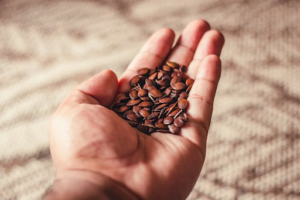
As seniors age, they are often troubled with plenty of health issues and complications. One such health issue seniors are prone to during old age is dementia and Alzheimer’s. The research conducted on Alzheimer’s and dementia reveals that eating the right foods in the right amount can delay the onset of Alzheimer’s and dementia among seniors.
Some factors that can prevent dementia via diet include preventing brain inflammation, protecting the brain’s cells, reducing beta-amyloid plaques forming in the brain, and leading to dementia among seniors.
Best Foods For Seniors To Prevent Dementia
Fish based omega 3 fatty acids
The study conducted on this reveals that seniors should take foods rich in omega-3 fatty acids to prevent themselves from Alzheimer’s or dementia. Consuming omega-3 fatty acids lowers the development of beta-amyloid plaques along with reducing inflammation.
The foods rich in fatty acids include cold-water fish like mackerel, salmon, tuna, sardines, and trout.
Leafy green vegetables
Make sure that seniors’ diet should include leafy green vegetables. The studies reveal that seniors eating just one serving of kale, spinach or other green vegetables can show cognitive decline.
Dark berries
The berries such as blackberries and blueberries can also go a long way in protecting the brain’s glial cells. These cells make up 90% of the brain’s tissue and protect the nerve cells from damage.
Eat walnuts and flaxseeds
Another thing to include in seniors’ diet to prevent dementia or Alzheimer’s is walnuts and flaxseeds. Walnuts and flaxseeds are regarded as the best to bring significant improvement in memory and learning skills. You can include these in your senior’s diet in the form of smoothies. Smoothies are also easy to have for seniors.
Use ginger
Ginger root offers protective benefits for glial cells in the brain and enhances acetylcholine activity, aiding memory and learning skills. It also inhibits the production of acetylcholinesterase, similar to Alzheimer’s drugs but without side effects.
Ginger is a potent antioxidant that combats free radicals and reduces inflammation, both related to aging. Maintaining stable blood sugar levels involves following a diabetic-friendly diet low in sugar and incorporating slow-burning carbohydrates like whole grains, vegetables, and protein into every meal to reduce the risk of type-2 diabetes.
Article Sources

Five Star Senior Living. “Can the Foods You Eat Help Prevent Dementia?”. Five Star Senior Living, March 6, 2020,
Can the Foods You Eat Help Prevent Dementia? | Five Star Senior Living %
How are we doing?
Submit a review and let us know what
you think about our services.
Complimentary
In-Home Care Assessment
Call us today to schedule a care assessment and speak
with your local Silver Sitters Care Manager
Careers at
Silver Sitters
Join a team who makes a difference in the lives
of our beloved Seniors
 Call Us