- COVID-19 Update
- Are you a HHA, CNA or a Nurse Join our Silver Sitters team.


 Schedule Consultation

How Pet Therapy Benefits Seniors With Dementia
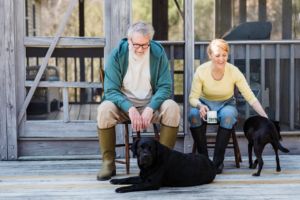
Animals and pets have always shared a special relationship that continues to this day. The reason behind this is that animals have always provided people with support, comfort, companionship, and loyalty that fellow humans Won’t be able to offer.
This is the reason why dogs are regarded as some of the best companions of seniors suffering from health challenges such as dementia and Alzheimer’s.
Consequently, pet therapy comes into play. Let us know what pet therapy is and how pet therapy benefits seniors with dementia.
Pet Therapy
As the name indicates, pet therapy makes use of animals such as dogs, cats, and rabbits to help people cope with and recover from health conditions such as dementia or Alzheimer’s. Likewise, these animals tend to comfort the seniors, alert them if they sense danger, or perform specific tasks for them.
Seniors suffering from dementia can feel alone, irritable, anxious, and uncomfortable. A study conducted on this reveals that animal-assisted therapy can reduce seniors’ anxiety, lower loneliness, and help memory recall.
Must-Have Traits in Therapy Animals
One of the most common therapy animals is none other than the dog. Choosing the right breed for seniors can be daunting but here are a few traits you should take off while considering the one for seniors with dementia.
- Calmness
- Confidence
- Easy to train
- A friendly disposition
- A love-filled physical touch
Choosing a gentle-natured dog for seniors with dementia might be the best option as they have a sweet disposition which in turn makes them perfect as therapy and emotional support dogs. The best part about therapy dogs is that these are low maintenance and small in size which in turn makes it easy for seniors with dementia to take care of them.
How Pet Therapy Benefits Seniors With Dementia?
Let’s take note of the benefits of pet therapy for seniors with dementia.
Reduce loneliness and depression
The primary benefit of pet therapy for seniors with dementia is that it reduces loneliness and depression among seniors. Having a dog around can soothe out the loneliness and be a constant companion to seniors.
Having a dog by their side can also boost seniors’ mood by increasing serotonin, and dopamine production. This increases positive feelings among seniors and makes their mood stable.
Reduce anxiety and stress
Pets also reduce anxiety and stress among seniors suffering from dementia. Some of the actions such as brushing, rubbing a dog, or watching them play can release oxytocin which in turn makes seniors relax and reduce stress among them.
Relieve pain
Seniors suffering from dementia can experience chronic pain before and after their diagnosis. However, it becomes difficult for seniors to relay that pain due to dementia’s nature of changing the brain.
Fortunately, dogs can relieve pain among seniors with dementia and increase the oxytocin in the body which in turn eases headaches and muscle cramps, and closes wounds faster.
Improve overall health
The next major benefit of pet therapy for seniors with dementia is that it improves their overall health. Pets can help seniors with increased willingness to go outside in the fresh air, improve seniors appetite, lower heart rate and decrease cholesterol levels.
Consequently, the best way forward for seniors with dementia is pet therapy to improve their overall health.
Improve physical health
Caring for a dog can make seniors take some actions that will improve their physical health. For example, seniors taking dogs to walk daily and playing with them will improve their physical health.
Besides this, seniors rubbing a dog can also help them improve their arthritis which can be beneficial for their overall health.
Article Sources

Robert Nigel. “7 Ways Pets Help Seniors with Dementia”. Caring Senior Service,
How are we doing?
Submit a review and let us know what
you think about our services.
Complimentary
In-Home Care Assessment
Call us today to schedule a care assessment and speak
with your local Silver Sitters Care Manager
Careers at
Silver Sitters
Join a team who makes a difference in the lives
of our beloved Seniors
 Call Us