- COVID-19 Update
- Are you a HHA, CNA or a Nurse Join our Silver Sitters team.


 Schedule Consultation

When Do Seniors Need A Mobility Scooter?
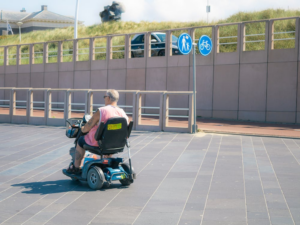
Seniors often find it challenging to maintain their independence due to health issues affecting their ability to move freely. Limited mobility can become an unsettling problem for seniors in the long run.
Fortunately, you can improve seniors’ mobility to prevent falls with the help of mobility scooters. Mobility scooters are electric vehicles that can help seniors with mobility issues regain the ability to move around freely and become self-sufficient.
Let us learn more about mobility scooters for seniors and when seniors will need the help of mobility scooters.
Mobility Scooter For Seniors
A mobility scooter is a vehicle that provides motor assistance to seniors who find it challenging to walk around and continue their daily activities. This serves as a wheelchair for seniors but is a motor scooter.
Mobility scooters have three or four wheels and sometimes more than four wheels. These scooters run on integrated batteries whereas some models are gasoline powered. An electric mobility scooter would be of great help to seniors with mobility issues.
It also provides an excellent transportation option for seniors using which they can move around in their neighborhood. By having this, seniors will no longer need to rely on public transit options.
When Does A Senior Require A Mobility Scooter?
The time after retirement is a time for seniors when they can engage in fun and exciting activities. However limited mobility combined with health issues can affect their ability to participate in such events.
Seniors are also not able to keep up with regular activities such as attending social meetings or attending religious institutions. In such cases, seniors need to have a mobility scooter to regain their lost independence and activeness.
Benefits Of Mobility Scooters
Makes seniors independent
Having a mobility scooter makes seniors independent. This will not only keep seniors fit but also enable them to go to shopping malls and get around other places on their own without relying on anyone else to drive them to that place.
Comfort
Mobility scooters offer comfortable and convenient transportation options for seniors, featuring user-friendly steering, adjustable armrests, and supportive backrests. When selecting an electric scooter, seniors need to assess their legroom requirements, as different scooter models cater to various preferences and needs.
Convenient and portable
A mobility scooter comes out as an excellent choice for seniors when it comes to travel as it is convenient and portable. Compared to walkers or canes, these are easy to handle and can help seniors transport from one place to another.
Article Sources

Seasons Retirement Communities. “Mobility Scooters: Time for a Mobile Aid?”. Seasons Retirement Communities,
Mobility Scooters: Time for a Mobile Aid? | Seasons Retirement Communities
How are we doing?
Submit a review and let us know what
you think about our services.
Complimentary
In-Home Care Assessment
Call us today to schedule a care assessment and speak
with your local Silver Sitters Care Manager
Careers at
Silver Sitters
Join a team who makes a difference in the lives
of our beloved Seniors
 Call Us