- COVID-19 Update
- Are you a HHA, CNA or a Nurse Join our Silver Sitters team.


 Schedule Consultation

Must Know Techniques To Keep Seniors Safe
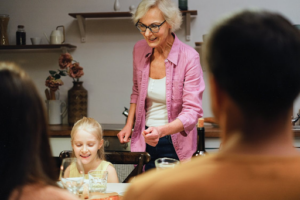
Caring for seniors is a full-time job. It becomes daunting for families to find a home care routine that works well for you as well as seniors at your home. It is because you may have to take time for yourself and deal with the day-to-day obstacles of caregiving.
Some emergencies such as natural disasters, power outages, or unexpected health issues can leave you nowhere especially if you are not prepared for it. Consequently, it’s always good to be ready for the worst.
Here are some care techniques to help you stay prepared.
Techniques To Care For The Seniors
Home Safety
Most accidents happening with seniors can be easily avoided if paid heed. The key is to make some modifications to your home so that it becomes accessible for seniors and goes a long way in preventing falls and accidents.
Besides widening doorways and modifying countertop heights, consider installing raised toilet seats, grab bars in the bathroom, and better lighting around stairs.
Stay connected
Even when you are going out to your social circle and having fun, make sure you stay connected to seniors and manage your elderly home care responsibilities.
Ask for help
It’s not possible to always look after the seniors all by yourself. Most of the time caregivers get busy taking care of the seniors that they forget about their own health and well-being. No doubt that it is your responsibility but it does not mean that you solely have to bear its burden. Consequently, do not be afraid to ask for help from any of your friends or neighbors to take care of your loved ones in your absence.
Train yourself
Every emergency does not require hospital assistance. Minor medical issues can be handled by yourself without paying a visit to the hospital. The best way forward would be to keep a first aid kit ready and know how to use it. You can also get the training to deal with emergencies and be at peace of mind.
Stay packed and ready
Preparing a hospital bag in advance is crucial for a smooth transition in case of emergencies involving your loved one. Ensure the bag is packed with essentials for an overnight stay and any personal items your loved one may need. Additionally, keep important medical records and documents easily accessible for hospital visits.
Maintain your health too
Taking care of the seniors does not mean sacrificing your own well-being. Setting personal health goals is great for relieving stress and your body will also thank you for this. Some of the goals you can set include going to the gym a few times a week, exercising at home, a balanced diet, or going for a run.
Article Sources

Senior Helpers. “Elderly Home Care Techniques to Keep Your Loved Ones Safe”. Senior Helpers,
How are we doing?
Submit a review and let us know what
you think about our services.
Complimentary
In-Home Care Assessment
Call us today to schedule a care assessment and speak
with your local Silver Sitters Care Manager
Careers at
Silver Sitters
Join a team who makes a difference in the lives
of our beloved Seniors
 Call Us