- COVID-19 Update
- Are you a HHA, CNA or a Nurse Join our Silver Sitters team.


 Schedule Consultation

How Hobbies Improve Seniors’ Health?
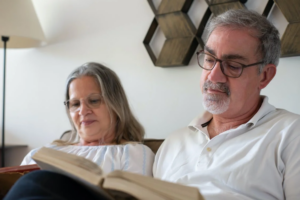
Most of the time seniors keep sitting on the couch, or simply watch the TV in their homes to pass their day. Finding other ways of hobbies for seniors to relax will improve seniors’ physical as well and mental health.
One great way to make seniors feel active and relaxed at the same time is by asking them to participate in a hobby. When choosing hobbies for seniors, make sure that the hobby is the one seniors find relaxing and enjoying.
Here’s how participating in hobbies can improve seniors’ health in the blog outlined below.
Benefits of Hobbies For Seniors
Makes seniors social
Seniors participating in an active lifestyle will find out that they have become social and enjoy the company of others. Ask seniors to invite their friends or neighbors to their house for a hobby. It will be a great experience for everyone involved in the activity and will also make seniors social.
Fights depression
The best part of a hobby is that seniors will find themselves active and relaxed which in turn will help them to fight depression. Make sure that the hobby should be of seniors’ interest as this will give them a sense of accomplishment at the end. It also motivates seniors’ minds and will leave little time for seniors to feel down.
Reduces stress
The research reveals that seniors aged 65 or above tend to experience the most stress due to health issues and other things. Fortunately, participating in a hobby such as gardening or sewing can reduce stress for seniors. A hobby can give seniors a much-needed escape and will also make them feel active.
Helps with arthritis
Seniors with arthritis often find it challenging to engage in hobbies due to pain and difficulty in performing certain tasks. However, research indicates that participating in hobbies requiring physical exertion can help alleviate arthritis symptoms. Staying fit even in chronic conditions through a hobby can prevent arthritis from worsening, as it keeps the body moving and engaged and also improves seniors’ health.
Prevents memory loss
Memory loss among seniors can make old age difficult for seniors. You can help seniors prevent this memory loss by asking them to take part in hobbies such as reading, writing, puzzles, or playing games. These activities stimulate seniors’ memory and make their brains sharp.
Article Sources

Granny Nannies. “Inexpensive, easily accessible ways to enhance your life as you age”. Granny Nannies, March 21, 2018,
How are we doing?
Submit a review and let us know what
you think about our services.
Complimentary
In-Home Care Assessment
Call us today to schedule a care assessment and speak
with your local Silver Sitters Care Manager
Careers at
Silver Sitters
Join a team who makes a difference in the lives
of our beloved Seniors
 Call Us