- COVID-19 Update
- Are you a HHA, CNA or a Nurse Join our Silver Sitters team.


 Schedule Consultation

Tips To Improve The Health Of Obese Seniors
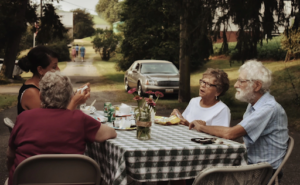
Improving the health of obese seniors is challenging for family caregivers and in-home caregivers due to a variety of complications. But no matter what, keeping the loved ones as healthy as possible is necessary.
To ensure the better health of obese seniors, it is essential to help them mobilize and increase their ability to assist in their own activities. You can provide much-needed support to obese seniors by opting for health problems.
Besides this, here are some tips to improve the overall health of seniors.
Tips To Care For Obese Seniors
Developing a daily routine
The first thing you can do is to develop a daily routine for obese seniors such as mobility, physical activity, and socialization. Some of the activities you can consider in seniors’ daily routine include going on a walk, visiting other family members, or reading. Including little movement that maintains activity and flexibility is good for seniors.
Oversight of medications
Monitoring and managing medications for seniors is crucial to ensure accuracy and safety. This involves collaboration among all care providers, including physicians, home health care aides, and nurses.
Key aspects to discuss include medication timing, potential side effects, and interactions between different medications. It’s essential to request a medication review whenever there is a change in medications to maintain the senior’s well-being and health.
Hire care support
Addressing the pain of seniors is equally important as other things. It is crucial to address pain among seniors as this can hamper seniors’ mobility and can cause other problems such as poor sleep, depression and falls.
Ask seniors to exercise
Another crucial thing is to encourage the seniors to exercise a little during the day. By doing so, seniors can improve their balance and coordination.
Get their vision checked
Make it a habit to get the seniors’ vision checked regularly. Otherwise, poor vision among seniors can increase the chances of falls.
Provide a safe environment
Check your home environment and make sure that there are no hazards or other such things present in the house that can make the seniors fall to the ground. Some of the fall hazards to check include lack of railings, poor lighting, or floor coverings.
Make dressing easy
Obese seniors often find it hard to dress themselves. Consequently, make sure to make dressing easy for them such as providing large enough clothes, and a style that requires less body movement. Also, check seniors’ footwear. The senior’s shoes should be lightweight, and properly fitted.
Article Sources

Visiting Angels. “Home Care Challenges for Loved Ones Who Are Obese”. Visiting Angels, August 8, 2021,
What Are Home Care Challenges for Seniors Who Are Obese? (visitingangels.com)
How are we doing?
Submit a review and let us know what
you think about our services.
Complimentary
In-Home Care Assessment
Call us today to schedule a care assessment and speak
with your local Silver Sitters Care Manager
Careers at
Silver Sitters
Join a team who makes a difference in the lives
of our beloved Seniors
 Call Us