- COVID-19 Update
- Are you a HHA, CNA or a Nurse Join our Silver Sitters team.


 Schedule Consultation

Hidden Risks Of Hearing Loss Among Seniors
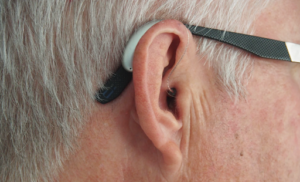
Most of us experience hearing loss as we grow old. It is one of the most common conditions affecting most seniors once they turn 65 or more.
Seniors with hearing loss are less likely to engage in a conversation when sitting in a group because of the fear of not being able to respond and communicate. In such a situation, seniors would prefer to go to a quiet areaof the house.
Let us learn more about hearing loss among seniors and its risk factors.
Hearing Loss Risks
Untreated hearing loss can lead to negative social and health consequences, impacting the overall well-being of seniors.
This may include physical effects like headaches, muscle tension, elevated stress, and high blood pressure. Additionally, studies have associated untreated hearing loss in adults with conditions such as depression, fatigue, social isolation, and memory problems.
Causes Of Hearing Loss Among Seniors
No doubt that age-related hearing loss among seniors occurs over time but the numerous changes in the ear can also lead to this condition. Here are some of the causes of hearing loss among seniors.
- Poor blood circulation
- Diabetes
- Taking specific medications
- Smoking
- Family history of hearing loss
Tips For Hearing Loss Among Seniors
Preventing hearing loss among seniors is hard but there are some steps that you can take to prevent it from getting worse. Here are some tips you can consider trying to help seniors with hearing loss.
- Avoid repetitive exposure to loud sounds
- Ask seniors to wear ear protection when they are in places with loud sounds.
- Keep the blood sugar level of seniors in check especially if they have diabetes.
- Ask others to speak slowly and clearly.
- Seniors should pay heed to another person’s facial expressions and gestures to understand what the person is saying.
Article Sources

Home Instead. “Learn the Hidden Risks of Hearing Loss”. Home Instead, January 25, 2021,
How are we doing?
Submit a review and let us know what
you think about our services.
Complimentary
In-Home Care Assessment
Call us today to schedule a care assessment and speak
with your local Silver Sitters Care Manager
Careers at
Silver Sitters
Join a team who makes a difference in the lives
of our beloved Seniors
 Call Us