- COVID-19 Update
- Are you a HHA, CNA or a Nurse Join our Silver Sitters team.


 Schedule Consultation

How To Treat Skin Issues Among Seniors?
Skin issues among seniors are a common thing. Some skin issues are a result of the aging process whereas others severe skin issues can indicate severe health complications among seniors. Consequently, family members and caregivers must keep an eye out for the potential signs and symptoms of skin conditions among seniors to ensure they receive the right medical care at the right time.
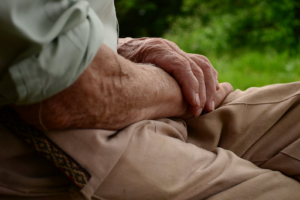
Let us know the major skin issues among seniors and the ways to treat these with the right treatment.
Dry Skin Among Seniors
The most common skin problem among seniors is dry skin. The main reason behind the dry skin of seniors is the reduction in oil and sweat gland function. Having dry or scaly skin can lead to itching among seniors which in turn can cause scratching or picking. If the issue of dry skin becomes more severe, it can also lead to skin becoming severely cracked or painful.
Tips To Treat Dry Skin Among Seniors
Ask the senior to use a gentle cleansing soap meant especially for dry skin.
Make sure that seniors exfoliate the old skin cells if there are no improvements in dry skin.
While bathing or taking a shower, seniors should refrain from using too hot water.
Instead of using loofahs or abrasive products, use a soft washcloth for bathing.
Increase the fluid intake of seniors to keep their skin hydrated.
Do not include much caffeine in their diet.
Ask them not to bathe every day and have alternate days.
Make seniors wear loose-fitted clothes instead of synthetic ones.
Severe Skin Conditions Among Seniors
Some skin conditions can point to serious medical conditions among seniors. If you notice any symptoms or seniors complain about irritation, schedule an appointment with the senior’s physician. Let’s take note of some skin conditions that can mean severe medical conditions among seniors.
Diabetes
Heart disease
Malnutrition
Obesity
Liver disease
Bleeding disorders
Shingles Among Seniors
Shingles is a skin condition among seniors affecting their nervous system and causes painful rashes lasting for three to five weeks. This condition is caused by chickenpox. Some signs of shingles among seniors include feeling sensitivity or pain at one side of the body. Besides this, the other symptoms of shingles include tingling, pain, numbness, and burning. You can speed up the healing process and reduce discomfort by giving antiviral drugs and pain medications.
Seniors are at high risk of developing health complications like nerve pain. Taking prescribed vaccinations can also reduce the risk of developing shingles.
Article Sources

Solitto Marlo. “Skin Problems in the Elderly”. Aging Care,
Skin Problems in the Elderly – AgingCare.com
How are we doing?
Submit a review and let us know what
you think about our services.
Complimentary
In-Home Care Assessment
Call us today to schedule a care assessment and speak
with your local Silver Sitters Care Manager
Careers at
Silver Sitters
Join a team who makes a difference in the lives
of our beloved Seniors
 Call Us