- COVID-19 Update
- Are you a HHA, CNA or a Nurse Join our Silver Sitters team.


 Schedule Consultation

Advantages Of Art Therapy For Seniors
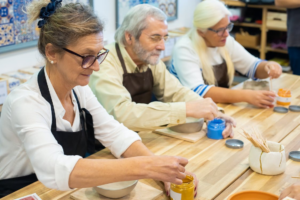
Seniors can engage in plenty of exciting and fun art therapy for senior to stay fit such as meditation which has plenty of health benefits. Other such activities include workouts, games, dance, and creative arts.
Art therapy for the elderly is known to bring a variety of advantages to the overall well-being of seniors. Find the best crafts for seniors to do with their free time; it will not only improve seniors’ self-esteem and motor function but also make seniors’ lives more fun-filled and enjoyable after retirement.
Consequently, let us learn about the advantages of art therapy for elderly in this article outlined below.
Art Therapy For Seniors
Art therapy eliminates the physical and mental stress among seniors via the process of understanding, expression, and management of art forms. Participating in art classes can offer therapeutic benefits to seniors.
Some of the most exciting hobbies for seniors include art practices such as painting, knitting, and sketching. Opting these pastimes can turn out to be effective for improving seniors’ physical and mental well-being.
Moreover, art therapy also addresses health issues among elderly by using numerous art forms, creative expressions, and motion to enhance normal body functions.
Benefits Of Art Therapy For Elderly
Improves memory
Art therapy is an excellent way to improve seniors’ memory. If seniors have a habit of forgetting things, then painting can help seniors remember an object or anything else they have seen in the past. Consequently, asking seniors to do art activities in pastimes goes a long way in stimulating their brains.
Relieves from pain
Art therapy is highly beneficial for seniors, especially in managing discomfort and pain associated with various health issues. By engaging in art creation, seniors can redirect their focus away from pain and discomfort toward an activity they enjoy.
Additionally, the soothing and therapeutic aspects of art therapy can help them shift their attention away from negativity and chronic pain.
More socialization
Art therapy not only enables seniors to practice crafts but also provides an opportunity for seniors to socialize and interact with other people. Seniors can engage with like-minded people and form new connections with them during art therapy sessions. Doing so will keep the loneliness at bay and keep elderly engaged throughout the day.
Boosts mood
Another benefit of art therapy for elderly is it boosts mood. It eliminates the feeling of loneliness and anxiety among seniors. The research conducted on seniors reveals that seniors who engaged themselves in creative pursuits experienced positive emotions and greater happiness than others.
Moreover, it boosts their mood and enables seniors to cope with stress which they were not able to do before.
Improved motor skills
Regular engagement in art activities like painting, drawing, or crafting provides older individuals with physical benefits. These activities exercise their hands and arms, leading to improved muscle coordination, increased blood circulation, enhanced agility, and better hand-eye coordination over time.
Article Sources

Seasons Retirement Communities. “Amazing Benefits of Art Therapy for Seniors”. Seasons Retirement Communities,
Amazing Benefits of Art Therapy for Seniors | Seasons Retirement Communities
How are we doing?
Submit a review and let us know what
you think about our services.
Complimentary
In-Home Care Assessment
Call us today to schedule a care assessment and speak
with your local Silver Sitters Care Manager
Careers at
Silver Sitters
Join a team who makes a difference in the lives
of our beloved Seniors
 Call Us