- COVID-19 Update
- Are you a HHA, CNA or a Nurse Join our Silver Sitters team.


 Schedule Consultation

How Seniors Can Add Happiness In Their Lives In Old Age?
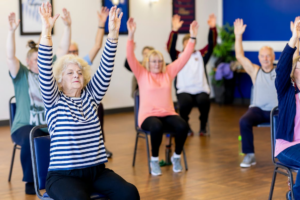
The studies conducted on seniors reveal that seniors are happier and more satisfied with their lives than younger ones. Despite dealing with great hardships throughout their life, seniors are happy at the end.
If seniors choose to, they can make the best of their lives and live to the fullest even in old age. Seniors can also add up to their happiness by using the ways outlined below.
Ways To Maximize Happiness In Old Age
Volunteer
Research published indicates that volunteering leads to greater happiness and well-being among older adults. Seniors can engage in volunteer activities tailored to their unique skills and interests. The act of assisting others fosters a sense of purpose and achievement, which in turn enhances their overall life satisfaction.
Be Social
Another key factor affecting seniors’ overall happiness and well-being is social connection irrespective of age. The research suggests that seniors are most likely to be at greater risk of social isolation because of the children moving away or other reasons. Consequently, seniors should have better social relationships to live longer and healthier.
Be Optimistic
Another way seniors can add to their happiness is by thinking positively. Moreover, seniors are better at regulating their emotions compared to younger people.
Exercise
A key benefit of exercise for seniors is the improvement in mood and overall sense of well-being. This is due to the release of endorphins, “feel good” hormones that help counteract stress. In addition to mental health benefits, a balanced exercise routine can also enhance mobility in seniors. However, it is always advised to consult a healthcare professional before beginning any new exercise program.
Learn new skill
Learning a new skill also keeps seniors engaged and enhances memory and other cognitive functions of seniors. A study revealed that unfamiliar and mentally challenging tasks provide the most mental and social stimulation to seniors. Seniors can also improve their mental sharpness and confidence by opting for new activities such as painting or woodworking.
Article Sources

Seasons Retirement Communities. “5 ways seniors can boost happiness and wellbeing”. Seasons Retirement Communities,
5 Ways Seniors Can Boost Happiness And Well-Being In Old Age – Seasons (seasonsretirement.com)
How are we doing?
Submit a review and let us know what
you think about our services.
Complimentary
In-Home Care Assessment
Call us today to schedule a care assessment and speak
with your local Silver Sitters Care Manager
Careers at
Silver Sitters
Join a team who makes a difference in the lives
of our beloved Seniors
 Call Us