- COVID-19 Update
- Are you a HHA, CNA or a Nurse Join our Silver Sitters team.


 Schedule Consultation

Benefits Of Plant-Based Diets For Seniors
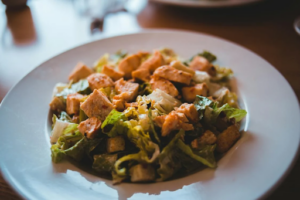
Plant-based diets are extremely popular among youngsters these days. Moreover, many seniors have also heard their adult children or grandchildren saying that they have adopted a vegan diet. Consequently, seniors are also exploring plant-based diets on their own.
Many physicians recommend that seniors should take plant-based diets and adopt a healthy lifestyle. So, here are some benefits of plant-based diets for seniors.
Benefits Of A Plant-Based Diet
As seniors age, the risk of heart disease, cancer, or Alzheimer’s also increases. Fortunately, diet can play a crucial role in determining seniors’ health and whether seniors develop these conditions or not.
So, here are some benefits of a plant-based diet for seniors.
Boosts immune system
Seniors are less likely to eat fruits and vegetables when their diet includes animal products. It is because this combination puts seniors at higher risk of heart disease, and also prevents the seniors from getting the rewards of fruits and vegetables. So, One widely known benefit of plant-based foods is decreased risk of cancer, healthy weight, more energy, better sleep, and a stronger immune system.
Improves telomere activity
Research from the University of California San Francisco has found that transitioning to a plant-based diet for three months can boost the production of telomeres, which are enzymes responsible for maintaining DNA strand caps. This dietary change has the potential to slow down the aging process.
Minimizes risk of heart disease
The study conducted on plant-based diets reveals that having these also reduces the risk of heart disease irrespective of age.
Maintains healthy weight
Excess weight among seniors can make you prone to health issues and also increase the risk of cancer. However, a plant-based diet maintains the weight of seniors and can result in weight loss also.
Factors To Keep In Mind When Changing To A Plant-Based Diet
Vitamin B12
As seniors age, their bodies may have difficulty absorbing vitamin B12, especially if they switch to a plant-based diet. To address potential deficiencies, seniors should consult with their physicians about vitamin B12 supplements or injections.
Protein
Make sure that seniors get enough protein-rich and plant-based foods especially if seniors are not taking dairy products. Some of the examples include nuts, seeds, and legumes.
Article Sources

Five Star Senior Living. “Are Plant-Based Diets Safe for Seniors and Why?”. Five Star Senior Living, March 6, 2020,
Are Plant-Based Diets Safe for Seniors and Why? | Five Star Senior Living %
How are we doing?
Submit a review and let us know what
you think about our services.
Complimentary
In-Home Care Assessment
Call us today to schedule a care assessment and speak
with your local Silver Sitters Care Manager
Careers at
Silver Sitters
Join a team who makes a difference in the lives
of our beloved Seniors
 Call Us