

 Schedule Consultation

Understanding Mental Health in Seniors: A Guide For Broward County
At Silver Sitters, we believe in understanding mental health in seniors, especially in Broward County. Contrary to common belief, anxiety and depression are not inevitable aspects of aging, and they should not be accepted as such.
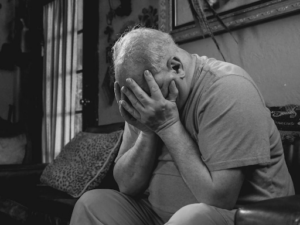
In reality, mood and anxiety disorders become less prevalent as people age. However, detection rates are lower among older adults, as they are less likely to seek help for mental health issues. Therefore, those around them must be vigilant and offer assistance if they notice a problem.
Recognizing Depression And Anxiety In Seniors
The research says that only between 1 and 5% of older adults tend to struggle with major depression. However, these estimates rise to 13.5% for people who require more constant care and 11.5% for older hospital patients. Besides this, out of all the people requiring the treatment, only 30% of older adults can receive the treatment.
Risk Factors For Depression In Seniors
Compared to the most older adults, the adults with a medical illness impacting mobility and quality of life are most at risk. Conditions such as heart disease, chronic obstructive pulmonary disease, high blood pressure, and new medical illnesses are associated with an increased risk of a mood disorder. The people in Broward County can also experience depression along with other ailments such as cancer, diabetes, Parkinson’s disease, or heart disease. Medications meant to treat these chronic conditions may also trigger depression sometimes.
Signs of Depression and Anxiety
The signs and symptoms of depression among older people and young adults in Broward County are the same. However, there are chances that older people can report the signs differently compared to adults. Some notable signs of depression among older adults include:
- Lacking interest in activities
- Lack of concentration
- Digestive issues
- Body pains and aches
Sometimes, older adults can also have suicidal thoughts. On one hand, young adults end up hurting themselves when in depression, and on the other hand, older adults think about not waking up the next morning. Compared to older women, older men are more likely to commit suicide.
Types Of Depression In Older Adults
Older adults can experience several types of depression, including major depression, dysthymia (persistent, mild depression), and seasonal affective disorder (depressive symptoms that occur or are more prevalent during certain seasons).
How To Help Seniors With Mental Health Issues In Broward County?
If you notice changes in an older adult’s behavior or attitude, there are several things you can do to help. If you believe someone is experiencing a crisis, immediately dial 911. Offer your support and encouragement, attentively listen to their concerns, never dismiss any suicidal remarks, invite them for leisurely walks, involve them in various activities, reassure them that depression will diminish over time, and accompany them to their doctor’s appointments.
Consequently, if you or someone you know has symptoms of depression or anxiety, don’t just take it as inevitable. Collaborate with a doctor to improve their quality of life and offer much-needed help.
How are we doing?
Submit a review and let us know what
you think about our services.
Complimentary
In-Home Care Assessment
Call us today to schedule a care assessment and speak
with your local Silver Sitters Care Manager
Careers at
Silver Sitters
Join a team who makes a difference in the lives
of our beloved Seniors
 Call Us