

 Schedule Consultation

Enhancing Mobility For Seniors In Broward County: A Comprehensive Guide
As seniors age, their mobility often decreases or becomes limited. At one point, it seemed like a jail, but not anymore. Today, a wide range of mobility aids are available that enable seniors in Broward County to continue enjoying life as much as they can even in their last years.
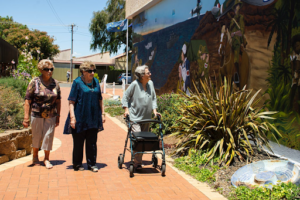
From simple walking canes and walkers to sophisticated scooters and wheelchairs, there is a wide variety of mobility aids for seniors in Broward County.
Kinds Of Mobility Aids For Seniors In Broward County
Walkers and canes
Canes and walkers not only increase seniors’ stability but also offer them much-needed support while walking or standing. Usually, these devices are prescribed after an injury, but they are regarded as best to prevent injuries resulting from falls. The walkers or canes enable the seniors to relieve pressure on painful knee or hip joints which might be there due to arthritis or other degenerative joint diseases.
Choose the cane carefully and ensure that it’s comfortable and of the right size. The cane’s length should be measured when the senior is standing normally, with their elbow bent on the side where they will hold the cane.
Likewise, Walkers also come in various styles, the most common one being the aluminum folding walker. Add the wheels to the front if the senior is not strong physically. The most popular type of wheeled walker is the three-wheeled walker, which folds in half for easy travel and usually comes with a hand brake and basket.
Wheelchairs or scooters
If a senior in Broward County cannot walk, has limited upper body strength, or is not strong enough to use a walker, then an electric wheelchair may be a good option. Electric wheelchairs make indoor navigation easier for seniors in Broward County, especially in tight areas like bathrooms and hallways.
Electric mobility scooters are designed for seniors who have minor mobility but are tested taking note of how much seniors can walk. Both indoor and outdoor models provide a good option for seniors to travel far away distances during their daily activities.
At Silver Sitters, we understand the importance of mobility for seniors in Broward County. We are committed to helping our clients find the right mobility aids to maintain their independence and enjoy a high quality of life.

How are we doing?
Submit a review and let us know what
you think about our services.
Complimentary
In-Home Care Assessment
Call us today to schedule a care assessment and speak
with your local Silver Sitters Care Manager
Careers at
Silver Sitters
Join a team who makes a difference in the lives
of our beloved Seniors
 Call Us