

 Schedule Consultation

Mealtime Challenges For Seniors In Broward County
The seniors in Broward County need to have organized and planned mealtimes to get the desired nutrition. The roadblocks that prevent seniors from getting the right amount of nutrition are social isolation and loneliness.
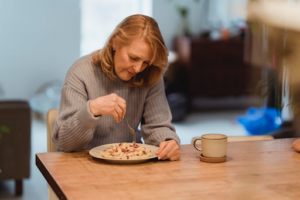
Many seniors are eating less healthy meals In the United States. Consequently, here are the mealtime challenges for seniors that family members and caregivers go through while preparing meals for the seniors in Broward County and how to overcome them.
Mealtime Challenges For Seniors In Broward County
Physical disability
Physical disability among seniors is the major challenge for seniors in Broward County. As per the research conducted, it is revealed that lonely seniors in the United States are more likely to develop physical disability than seniors who are not lonely. Consequently, make sure that the senior is up-to-date on physicals and regularly visits doctors for health checkups.
Lack of sharing
The seniors being lonely in Broward County indicates a lack of sharing on the part of seniors. The reason behind the same is that their generation was not told about how to connect and start a conversation. The family members should spend more time with the seniors than spending on devices. Distractions and awkward moments on the part of seniors can leave the seniors disinterested in mealtime.
Changes in taste and smell
One of the major mealtime challenges for seniors is changes in taste. Due to age, seniors in Broward County have a different taste and smell due to which food sounds less appealing to them. The changes in taste and smell can make seniors lose interest in food. Fortunately, you can try to make it interesting by involving them in meal preparation and finding out about their favorite foods.
Shop grocery together
As seniors age, it becomes difficult for them to go out and get groceries for the home which in turn increases social isolation. It can also increase difficulties in getting the right kind of food. Consequently, make sure to shop online for groceries with seniors. Prepare the grocery list together and show them how to shop online.
Decreased appetite
The seniors in Broward County experience a loss of appetite as they age due to health issues like depression, medications, and loneliness. If you feel that seniors have a pretty low appetite, make sure to consult their physician regarding the same. Also ensures that the food tastes good to make it sound interesting to seniors.
Digestive issues
The seniors in Broward County are more likely to experience digestive issues such as constipation, or decreased stomach acid production which in turn affects their ability to digest the food properly. Try to reduce salt and starch to improve their digestive system.
Cooking alone
If the seniors live alone in Broward County and want to cook meals for themselves, there can be a lack of motivation among them. Compared to cooking, the much better alternative is ordering food online. Besides this, you can also provide them with appliances to make cooking easy for seniors such as air fryers and crock pots.
Health issues and medications
The seniors tend to face numerous health issues due to which they need to have several medications and this can pose a serious challenge to meet their nutritional needs. So, the much better alternative is to consult the senior’s physician and then create a meal plan for them.
Dental issues
Chewing and swallowing certain foods become difficult for the seniors in Broward County due to oral health issues such as gum disease, tooth loss, and improper dentures. Dental issues can limit the foods seniors can take and also decrease their nutrients. Consequently, prioritizing the dental health of seniors by discussing their dental issues and giving them foods that are easy to chew is crucial.
Article Sources

Home Instead. “9 Mealtime Challenges for Older Adults”. Home Instead, June 14, 2023,
9 Mealtime Challenges for Older Adults (homeinstead.com)
How are we doing?
Submit a review and let us know what
you think about our services.
Complimentary
In-Home Care Assessment
Call us today to schedule a care assessment and speak
with your local Silver Sitters Care Manager
Careers at
Silver Sitters
Join a team who makes a difference in the lives
of our beloved Seniors
 Call Us