

 Schedule Consultation

Common Food Allergies Among Seniors In Broward County
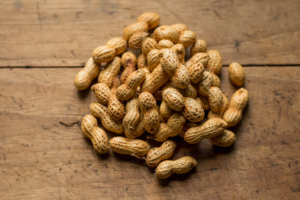
Food allergies among the seniors in Broward County are a growing concern. The research conducted on this reveals that 5-10% of seniors suffer from some sort of food allergy. Some common symptoms of food allergies among seniors include mild itching, hives, or life-threatening anaphylaxis.
The chances are that seniors can develop food allergies later in life. Consequently, let us learn more about the common food allergies among seniors in Broward County.
Food Allergies Among Seniors In Broward County
Wheat
Wheat allergies, also known as celiac disease or gluten-sensitive enteropathy, are caused by a sensitivity to gluten, a protein also present in barley, oats, and rye. This condition leads to inflammation in the gastrointestinal tract and disrupts nutrient absorption. Common symptoms include bloating, diarrhea, nausea, vomiting, and weight loss.
Tree nuts
Tree nuts include pistachios, almonds, hazelnuts, and pecans. Although these nuts can improve memory among seniors and prevent Dementia, they can also witness mild to severe allergic reactions such as anaphylactic shock. Seniors found to be allergic to one type of nut will be advised to stop consuming all nuts to stay safe.
Soy
Sometimes, the allergic reactions to soy might be mild but these can also get severe. Some severe symptoms of soy among seniors in Palm Beach County include cough, itching, and stomach problems. Most seniors who are allergic to soy are also allergic to peanuts.
Peanuts
Seniors in Broward County can also develop an allergy to peanuts later in life. Out of all other allergies, peanut allergies happen to be most dangerous as it can lead to anaphylactic shock. Some of the reactions of peanut allergy among seniors include breathing difficulties, confusion, fast heartbeat, lightheadedness, and collapse.
Fruits and vegetables
Allergy syndrome, or pollen-food allergy syndrome, is a prevalent allergy in seniors. It occurs when the immune system mistakenly identifies proteins in fruits and vegetables as similar to those in pollen. This leads to allergic reactions, often triggered after consuming raw fruits or vegetables, and can cause symptoms like itching of the lips, mouth, and throat, tingling, redness, swelling, and, in severe cases, blisters.
Dairy
The main reason seniors in Broward County tend to develop dairy allergies is because they are unable to fully digest the milk sugar lactose. Symptoms of food allergies in seniors include diarrhea, bloating, and gas. Seniors tend to witness these symptoms after 30 minutes of eating or drinking foods containing milk.
Article Sources

Senior Lifestyle. “Food Allergies in Seniors and What to Do About Them”. Senior Lifestyle,
Food Allergies in Seniors and What to Do About Them (seniorlifestyle.com)
How are we doing?
Submit a review and let us know what
you think about our services.
Complimentary
In-Home Care Assessment
Call us today to schedule a care assessment and speak
with your local Silver Sitters Care Manager
Careers at
Silver Sitters
Join a team who makes a difference in the lives
of our beloved Seniors
 Call Us