

 Schedule Consultation

Why Do Seniors’ Taste Change As They Become Older In Broward County?
Whether the food is healthy or harmful becomes known in people’s sense of taste. Seniors tend to lose their sense of taste as they become older due to which, there is a reduction in appetite, poor nutrition, weight loss, and weakened nutrition. Consequently, you need to understand the reasons why seniors tend to lose their sense of taste.
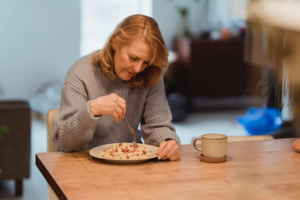
How Does Age Impact Seniors’ Senses In Broward County?
As seniors age, their taste bud cells, which typically regenerate every couple of weeks, start to lose their sensitivity and regenerative abilities. This can impact a senior’s eating habits in Broward County, leading to either weight loss from eating too little or weight gain from eating too much. While this might seem like a minor issue, it can pose serious health risks, particularly for those with conditions like heart disease or diabetes that require a specific diet.
Many seniors assume that a diminished sense of taste is an inevitable part of aging and that nothing can be done about it. However, depending on the root cause, a doctor may be able to suggest treatments or coping strategies. Therefore, it’s crucial to seek medical advice if you or a loved one notice changes in taste or unusual eating habits.
Reasons Why Senior Loses Their Taste In Broward County
Seniors tend to experience issues with taste due to the disruptions caused by the detection of taste or smell including many other reasons. Here are the other reasons behind seniors losing their taste in Broward County.
- Gum diseases
- Head injuries
- Infections
- Chemotherapy
- Heavy smoking
- Dry mouth
- Vitamin deficiency
- Alzheimer’s or Parkinson’s disease
Besides the above-stated reasons, certain lifestyle choices and environmental factors can also impact senior’s sense of taste. Being exposed to chemicals such as solvents or allergens can also impair a senior’s taste sense.
Occasionally, alterations in taste can signal an underlying health issue. For instance, in the initial stages of type 2 diabetes, taste changes may occur due to variations in blood sugar levels. Moreover, neurological disorders like Alzheimer’s disease, Lewy Body dementia, and Parkinson’s disease can significantly impact an individual’s sense of smell.
Article Sources

Sollitto Marlo. “Why Seniors’ Tastes Change with Age”. Aging Care,
Why Seniors’ Tastes Change with Age – AgingCare.com
How are we doing?
Submit a review and let us know what
you think about our services.
Complimentary
In-Home Care Assessment
Call us today to schedule a care assessment and speak
with your local Silver Sitters Care Manager
Careers at
Silver Sitters
Join a team who makes a difference in the lives
of our beloved Seniors
 Call Us