

 Schedule Consultation

Tips To Ensure Seniors Getting Good Sleep At Night
Having a good sleep at night is what all look forward to at the end of the tiring day. A good sleep at night gives rest to the body and also restores energy levels. Otherwise, without getting enough sleep, seniors can become irritated, grumpy, and more prone to accidents. It is not only food but also adequate sleep which is essential for a senior’s good health and improved quality of life.
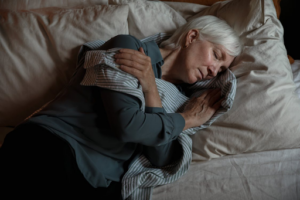
Is Poor Sleep Natural For Seniors As They Age?
As seniors age, many face health concerns that can negatively impact their sleep. This, in turn, can lead to problems like depression, memory issues, and increased falls during the night. While some might think sleep troubles are just a part of getting older, that’s not the case.
Many seniors sleep well without disruptions. It’s essential to understand that significant sleep disturbances aren’t a standard aspect of aging. If a senior is struggling with sleep, it’s crucial to consult a doctor or sleep expert.
Tips To Make Seniors Sleep At Night
Not being able to sleep at night can affect the senior’s quality of life. Consequently, here are some tips outlined below to ensure good sleep for seniors at night.
Fix schedule
The first thing to do is to fix the senior’s sleeping schedule. For instance, make sure that they sleep and wake up at the same time even when they have nothing to do.
Exercise
Ask the elderly to do light exercise every day and follow an exercise regime. Physical workout tires seniors and makes them sleep at night easily.
Minimize naps
Try to make seniors avoid sleeping during the day and make them nap only when the need arises. Otherwise, excessive sleeping during the day will not make seniors sleep at night.
Avoid alcohol or cigarettes
Drinking alcohol or smoking cigarettes can also be the reason why the elderly are not able to sleep at night. So, understand the signs of alcohol abuse among seniors in Broward County. Moreover, make sure that seniors leave alcohol and smoking to get a better sleep at night.
Get some sunlight
Ask seniors to soak up some natural sunlight outside for a few minutes. While doing so, make sure that the elderly are wearing proper sun protection.
Read before sleeping
It only takes 15 minutes or so for the elderly to fall asleep usually but if it is taking you longer, then you can read for some time and then try to sleep when you get drowsy.
Have comfortable place
Make sure that the senior’s bedroom is comfortable before asking them to sleep. Most of the elderly want a dark, cool, and quiet room to sleep peacefully. Also check the senior’s mattress, pillow, and bedding to ensure good sleep for seniors at night.
See a doctor
If the seniors are tired throughout the day but are still unable to sleep at night, then it’s time to see a doctor. If the same pattern continues for a long period, do not hesitate to make an appointment with the senior’s physician or a sleep disorders specialist.
Article Sources

Aging Care. “Do People Need Less Sleep As They Age”? Aging Care,
Do People Need Less Sleep As They Age? – AgingCare.com
How are we doing?
Submit a review and let us know what
you think about our services.
Complimentary
In-Home Care Assessment
Call us today to schedule a care assessment and speak
with your local Silver Sitters Care Manager
Careers at
Silver Sitters
Join a team who makes a difference in the lives
of our beloved Seniors
 Call Us