

 Schedule Consultation

Tips To Use The Bathroom At Night For Seniors In Palm Beach County
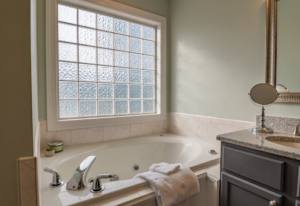
Compared to others, seniors in Palm Beach County are likely to use the bathroom in the middle of the night because of certain health changes and other reasons. Some of the reasons why seniors in Palm Beach County use the toilet late at night are incontinence, insomnia, and side effects of certain medications.
Walking in the dark during the night may not be safe for seniors and might increase their risk of injuries and falls. Consequently, here are some things to bear in mind when seniors use the bathroom at night.
Tips To Use The Bathroom Late At Night For Seniors In Palm Beach County
Keep vision clear
The first thing seniors in Palm Beach County need to ensure while using the bathroom in the middle of the night is to keep their vision clear. Due to age or other reasons, it is normal for seniors to forget to put their glasses on when going to the bathroom.
The best way forward would be to make sure that seniors have a pair of glasses near their bed and one in the bathroom too.
Call device
Going to the bathroom in the middle of the night becomes all the more difficult for seniors in Palm Beach County when they have limited mobility. So, seniors with limited mobility should be given a call device such as a phone near their bed so that they can reach out to family members or caregivers for assistance.
Motion activated toilet
To enhance bathroom safety for seniors, consider installing lights in or around toilets to attract attention. Motion-activated toilets can help seniors maintain their concentration in the restroom. It’s essential to ensure that the toilet is conveniently located near a handrail, providing a secure grip for seniors when sitting and standing up.
Highlight the bathroom route
The next best way to increase seniors’ safety while going to the bathroom at night is to highlight the bathroom route. It becomes all the more essential when seniors have dementia or Alzheimer’s. Because seniors with dementia or Alzheimer’s have the chance of getting lost while going to the bathroom at night.
So, it’s better to highlight the bathroom route using the colored tape to guide seniors to the bathroom.
Use slip-resistant flooring
To ensure a safe walking environment for your loved one, focus on maintaining slip-resistant floors. Rugs, despite being considered a remedy for slippery tiles, can actually pose a tripping hazard, particularly during nighttime. Regularly inspect the floors and replace any wrinkled carpets. If you opt for rugs, ensure they have slip-resistant backing to prevent accidents.
Install proper lighting
Make sure that there is proper lighting in the hallway or in the bathroom to make things easy for the seniors in Palm Beach County. Also, you can consider placing a lamp on the nightstand for the seniors to use right away after waking up in the night.
Install a bed rail
Sometimes seniors get up quickly from the bed which in turn increases their risk of falls. Consequently, the best thing here would be to install a bed rail using which seniors can get up easily and balance.
Article Sources

The Key. “7 Safety Tips for Aging Adults Who Use the Restroom at Night”. The Key,
https://thekey.com/learning-center/bathroom-nighttime-safety-tips
How are we doing?
Submit a review and let us know what
you think about our services.
Complimentary
In-Home Care Assessment
Call us today to schedule a care assessment and speak
with your local Silver Sitters Care Manager
Careers at
Silver Sitters
Join a team who makes a difference in the lives
of our beloved Seniors
 Call Us