

 Schedule Consultation

How To Beat Chronic Pain In Seniors In Palm Beach County?
One of the most complex systems to treat seniors in Palm Beach County is pain. It is because most seniors are not able to tell where they are hurt which in turn makes the diagnosis and treatment quite tricky. Managing pain among seniors becomes difficult for the senior’s family members and caregivers and may require several treatments before finding relief from pain.
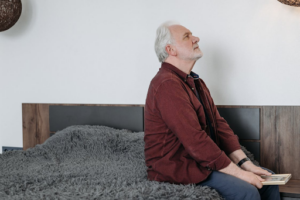
Understanding Chronic Pain Among Seniors In Palm Beach County
Chronic pain among seniors does not go away on its own and is only a matter of time but takes quite longer to treat. Treating chronic pain among seniors might take weeks, three to six months depending on how deep the injury is.
Seniors tend to associate pain with their age. Some also say that seniors become less tolerant as they age but there is no evidence of this till now. There are plenty of seniors in Palm Beach County who fail to get relief from pain because of the constant worry about the consequences of treatment, side effects, or medication costs.
There are plenty of reasons behind seniors denying chronic pain or not reporting it to family members or caregivers. The seniors in Palm Beach County believe that pain is a sign of vulnerability. Consequently, healthcare professionals should ask about and evaluate pain along with constantly monitoring the vitals of seniors such as blood pressure, pulse, respiratory rate, and temperature.
One reason why chronic pain becomes evident more in seniors is that they become confused with pain or their mental state may change over time. The other reasons for the same are social withdrawal and depression in seniors in Palm Beach County.
How To Alleviate Pain In Seniors In Palm Beach County?
There are over-the-counter medications such as acetaminophen or naproxen sodium to manage mild to moderate chronic pain among seniors in Palm Beach County. At times, healthcare professionals also recommend non-steroidal drugs to provide relief to the elderly from chronic pain.
There are rare instances when healthcare professionals prescribe non-steroidal drugs because these cause high blood pressure and increase the risk of heart attack. Opiates are also effective but these can also result in side effects such as nausea, constipation, fatigue, and itching.
Some other ways to deal with chronic pain among seniors in Palm Beach County include:
Treating the particular body area with the heating pad accompanied by an ice pack to ease out symptoms like inflammation and pain.
- Ask the seniors in Palm Beach County to stay physically active via exercise yoga or swimming.
- Give therapies like Acupuncture or magnet therapy to seniors as these have no side effects.
- Cognitive behavioral therapy also goes a long way in alleviating chronic pain among seniors in Palm Beach County.
How Caregivers Can Alleviate Pain Among Seniors In Palm Beach County?
The family members can hire caregivers as they are proficient enough to determine if the seniors are suffering from chronic pain and this is preventing them from enjoying everyday activities or not.
In addition to this, the caregivers can also act as the channel of communication between the seniors and the doctors. If the need arises, do not hesitate to consult a different physician or a chronic pain specialist.
Caregivers also encourage the elderly in Palm Beach County to stay engaged in the daily activities they enjoy doing the most.
Treating chronic pain among the elderly in Palm Beach County is a long-term goal. Still, you can manage to treat chronic pain despite so many complexities making sure that seniors maintain their function.
Article Sources

Rotolo Candace. “Beating Chronic Pain in the Elderly”. Aging Care,
Treating chronic pain in the elderly – AgingCare.com
How are we doing?
Submit a review and let us know what
you think about our services.
Complimentary
In-Home Care Assessment
Call us today to schedule a care assessment and speak
with your local Silver Sitters Care Manager
Careers at
Silver Sitters
Join a team who makes a difference in the lives
of our beloved Seniors
 Call Us