

 Schedule Consultation

Steps To Restore Seniors’ Confidence After A Fall in Palm Beach County
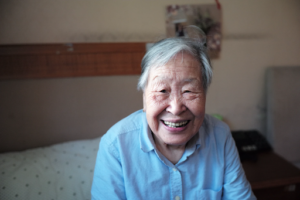
Seniors aged 65 or above have a 95% chance of falling compared to others. The falls among seniors in Palm Beach County are the number one reason leading to injuries among seniors.
Falling is a major concern for seniors and is a cause of worry for adult children and their families. The worst part of falls is that seniors lose all confidence in walking and getting around.
Due to this, it is crucial to help seniors in Palm Beach County regain their lost confidence and get back on their feet again. Here are some steps outlined below to help seniors restore their lost confidence.
Steps To Restore Lost Confidence Among Seniors In Palm Beach County
Acknowledge the fear
The first step is to acknowledge seniors’ fear of falling. The fear of falling among seniors is often associated with a series of undesirable outcomes, including extended hospital stays, increased time in rehabilitation, potential loss of mobility, and a risk of losing independence.
Keep calm and go slow
Do not get anxious or frustrated over seniors’ fear of falling. Try to stay calm and go slow with seniors in Palm Beach County. You can begin restoring the seniors’ lost confidence by making them do some strength exercises. Ask seniors to do balancing exercises and strength training to prevent falls. Make sure to seek the advice of their primary care physician before getting started with this.
Begin with physical activity
The fear of falling among seniors can lead to a vicious cycle where inactivity and a sedentary lifestyle contribute to physical and mental decline among seniors in Palm Beach County. Consequently, staying active is crucial for healthy aging, as it benefits both the body and the mind.
Prevent future falls
One of the best ways to restore seniors’ confidence after a fall is to prevent future falls. Make sure that your home environment is safe and it’s easy for seniors to move around the house. Some steps you can take to make the home safe for seniors in Palm Beach County include using bath mats in the bathroom, proper lighting all over the house, grab bars in the bathroom, removing extension cords, and removing items from stairs which can make seniors fall.
Article Sources

Five Star Senior Living. “Helping a Senior Regain Confidence after a Fall”. Five Star Senior Living, June 28, 2019,
Helping a Senior Regain Confidence after a Fall | Five Star Senior Living %
How are we doing?
Submit a review and let us know what
you think about our services.
Complimentary
In-Home Care Assessment
Call us today to schedule a care assessment and speak
with your local Silver Sitters Care Manager
Careers at
Silver Sitters
Join a team who makes a difference in the lives
of our beloved Seniors
 Call Us