

 Schedule Consultation

How To Keep Seniors Safe From Wildfires In Broward County?
Compared to others, the seniors in Broward County living across the country are always at high risk of wildfires. It is because most seniors may be hearing impaired, and suffer from mobility issues or other health issues such as heart disease or COPD. Consequently, seniors have a high risk of death from wildfires.
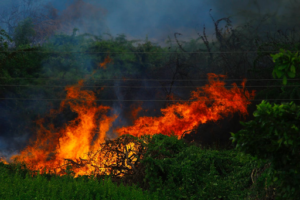
So, family members and caregivers must take the necessary steps to increase the safety of seniors in Broward County from wildfires. Here are some steps outlined below to ensure seniors at your home are safe from wildfires in Broward County.
Tips To Safeguard Seniors From Wildfires In Broward County
Consult their physician- The first thing to do is to reach out to the senior’s doctor in Broward County and ask him about the safety measures to take at the time of wildfires for seniors with heart or lung disease. Make sure to have a plan ready to safeguard the seniors.
Stock medications
During the time of wildfires, it is advisable not to go out in the smoke due to which, it’s better to have the stock of desired medications. Also, buy groceries in advance so that the cooking and nutrition of seniors do not get affected.
Air cleaner
Breathing clean air is essential for seniors especially when they are troubled with plenty of health issues and complications. So, make sure to buy a portable air cleaner for seniors in Broward County with high-efficiency HEPA filters depending on the room’s size.
Get alerts
Teach the seniors in Broward County how to get alerts and warnings when a wildfire breaks out. You can also consider equipping seniors with radios in case of a power outage.
Evacuation routes
Tell seniors about the evacuation routes both out of the home and out of the neighborhood. This becomes all the more significant if the senior has mobility issues. Also, share the evacuation plan with the seniors or the caregivers you have hired to look after seniors when you are not available.
Keep important items ready
The crucial documents and items such as financial and personal documents should be kept ready ahead of time. Make sure to pack an emergency kit including crucial medications and documents to access these quickly. Besides this, the items such as glasses, hearing aids, and medical supplies should also be kept.
Have respirators
Provide seniors in Broward County with N95 respirators and also teach them how to use these in times of emergency.
Consult professional
Reach out to an air conditioning professional to ask about the high-efficiency filters to have in the home.
Hire In-home caregivers
It is best to hire In-home caregivers from a renowned organization named SIlver Sitters who are proficient enough to look after the seniors in Broward County and keep them safe.
Tips To Prepare An Evacuation Plan For Seniors In Broward County
Here’s how you can create an effective evacuation plan for seniors in Broward County at the time of wildfires.
- Easy and quick access to devices such as wheelchairs or canes.
- Keep glasses, hearing aids, and other crucial items nearby.
- Make two ways for the seniors and make sure to practice these beforehand.
- Remove hazards or items that can block the senior’s way.
- Practice it with seniors at regular intervals.
- Install smoke alarms in the house.
Article Sources

Home Instead. “10 Tips to Keep Seniors Safe from Wildfires”. Home Instead, May 6, 2022,
10 Tips to Keep Seniors Safe from Wildfires (homeinstead.com)
How are we doing?
Submit a review and let us know what
you think about our services.
Complimentary
In-Home Care Assessment
Call us today to schedule a care assessment and speak
with your local Silver Sitters Care Manager
Careers at
Silver Sitters
Join a team who makes a difference in the lives
of our beloved Seniors
 Call Us